
3D modeling sounds like it should have a right answer. It doesn't.
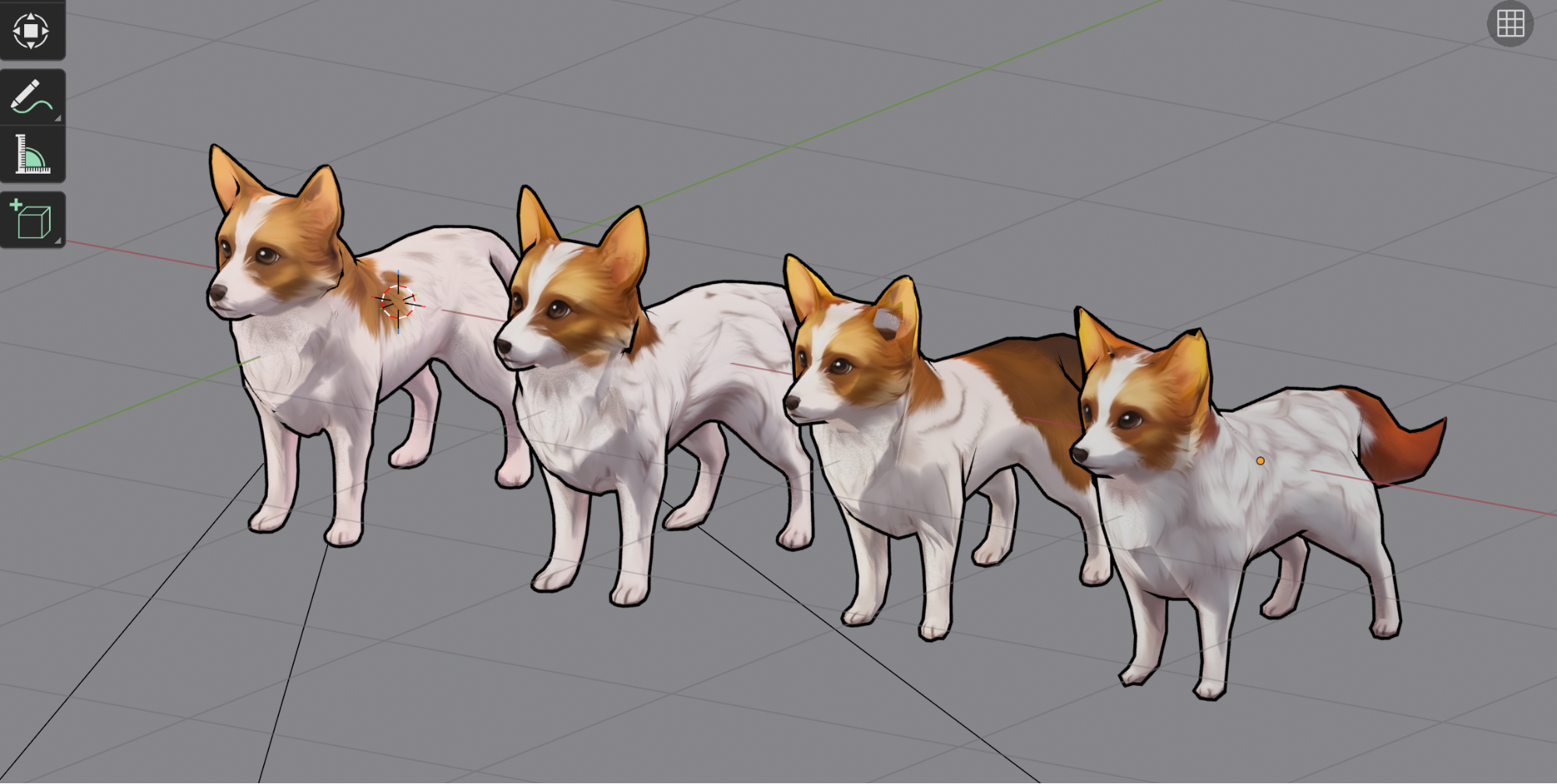
The same dog, modeled multiple times, can come out slightly different each time — fur pattern, facial expression, the overall feel. That's not a flaw; it's how AI modeling works. The tool doesn't copy a photo. It interprets one, then reconstructs it in 3D. And that interpretation can shift.
So we don't build once and move on. We generate multiple versions, compare them, and figure out which one actually looks most like them.
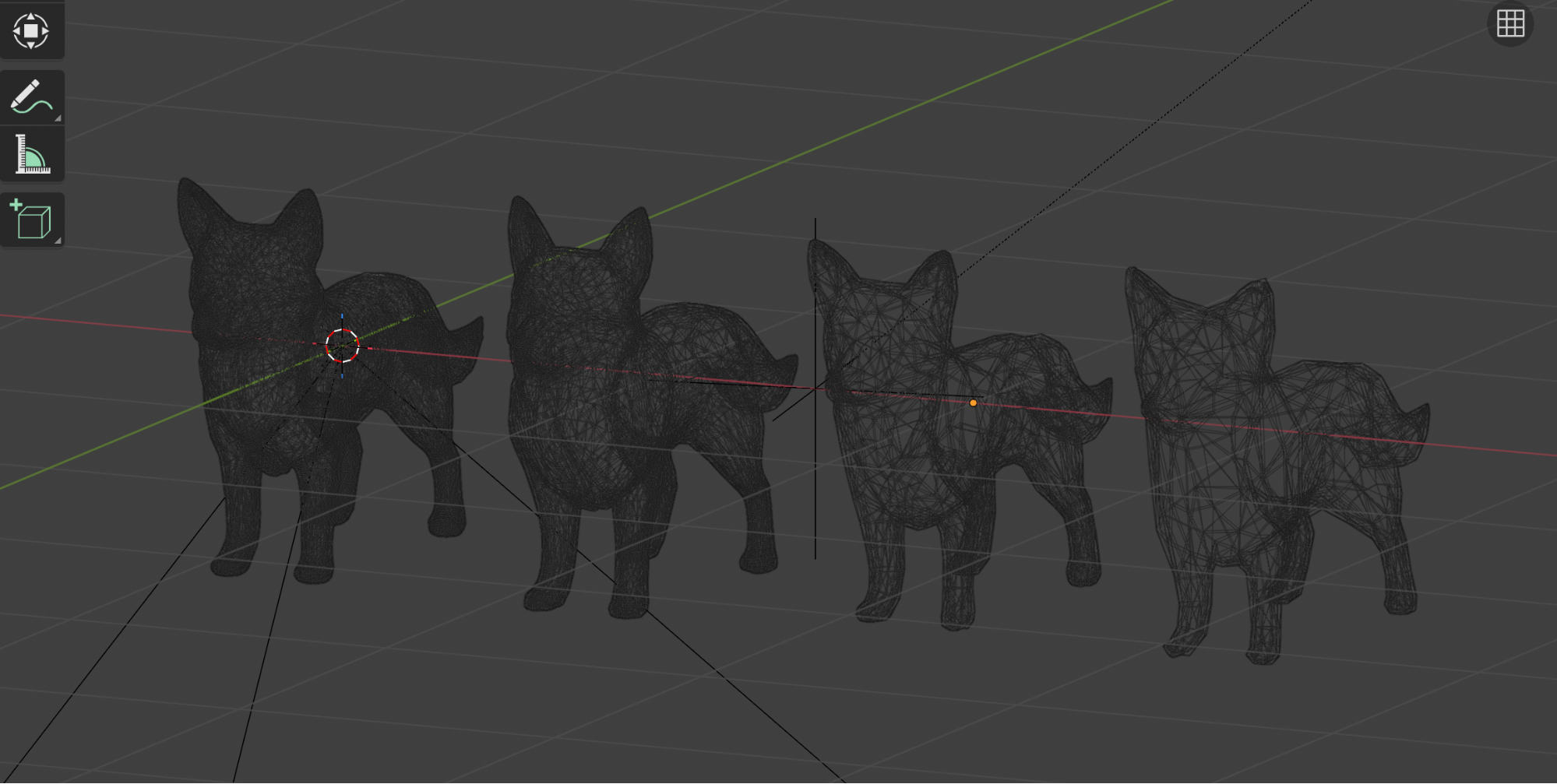
This round, we added another variable: model complexity.
Higher-detail models look smoother and more natural — but they're heavier, and harder for a phone to render. Lighter models run cleanly, but can feel a little rough around the edges.
Which brings us to the real question we're working through:
How much detail can we keep before the app starts to struggle?
The honest answer is: we need both. The moment a pet parent sees their companion in the app has to feel real and warm — but if the app lags, or the phone runs hot, that moment gets broken. Neither is acceptable.
Next up, we'll be running rendering tests on actual devices, looking for the sweet spot between visual quality and stable performance. If needed, we're also considering giving users the option to choose their graphics quality based on their phone's capabilities.
What Memoriq is building isn't a pretty 3D image.
It's the moment you see them again — and nothing feels off.
Close enough to feel real. Comfortable enough to stay a while.
Closer to real. More natural. That's what today was about.